Canada Goose
Branta canadensis
Aves › Anseriformes › Anatidae › Branta
Conservation status: least_concern
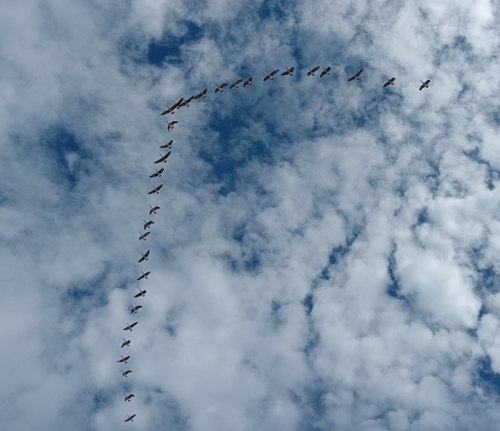
The Canada Goose is a large waterfowl easily recognized by its black head and neck with a distinctive white chinstrap marking that extends across its cheeks. These highly adaptable geese are known for their loud honking calls and their characteristic V-shaped flight formations during seasonal migrations across North America.
How To Identify
They are large goose species, typically reaching 3 feet in length and weighing up to 8 pounds. Males and females share a similar coloration with brown wings contrasting against white neck feathers.
Habitat
They inhabit freshwater lakes, rivers, marshes, and ponds, as well as coastal areas and grasslands near water bodies across North America and introduced populations in Europe.
Behaviour
Canada Geese are highly social and form strong pair bonds, flying in distinctive V-formations during migration to reduce wind resistance and take turns at the front position.
Native Range
The Canada goose is native to the Arctic and temperate regions of North America, and it is occasionally found during migration across the Atlantic in northern Europe. "It is native to the Arctic and temperate regions of North America, and it is occasionally found during migration across the Atlantic in northern Europe.
Did You Know?
Canada Geese can fly at speeds over 40 mph and navigate using the Earth's magnetic field, often returning to the exact same nesting site year after year. A single goose can live 20+ years in the wild.
Create a free account to log your sightings of the Canada Goose, see where it has been recorded near you and build your Wild List.
Privacy · Terms · Impressum · Credits · About the beta