Little Pied Cormorant
Microcarbo melanoleucos
Aves › Suliformes › Phalacrocoracidae › Microcarbo
Conservation status: least_concern
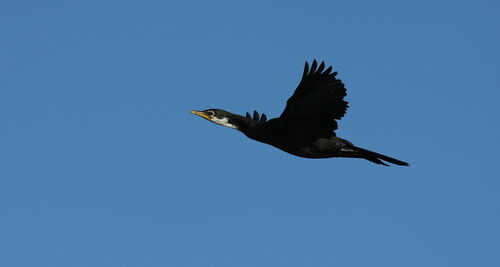
This small waterbird is recognizable by its general appearance of being black above and white below, featuring a yellow bill and a small crest. It is a benthic feeder, meaning it finds its prey on the sea floor, and it consumes a variety of fish prey but an unusually high proportion of crustaceans.
How To Identify
These medium-sized birds are characterized by dark plumage, often appearing black on the back and wings. The 'pied' designation refers to contrasting white markings found around the neck or head, distinguishing them from larger, uniformly colored cormorants.
Habitat
It typically inhabits freshwater and coastal wetlands including lakes, rivers, estuaries, and sheltered bays across Australia, New Guinea, and nearby regions.
Behaviour
It often hunts in small flocks and is known for its distinctive habit of perching on rocks or logs with wings spread open to dry its feathers after diving.
Did You Know?
The Little Pied Cormorant is the smallest cormorant species in the world, weighing less than 1 kg, yet it is a skilled deep diver that can remain submerged for over a minute while hunting fish.
Create a free account to log your sightings of the Little Pied Cormorant, see where it has been recorded near you and build your Wild List.
Privacy · Terms · Impressum · Credits · About the beta