Eastern Spinebill
Acanthorhynchus tenuirostris
Aves › Passeriformes › Meliphagidae › Acanthorhynchus
Conservation status: least_concern
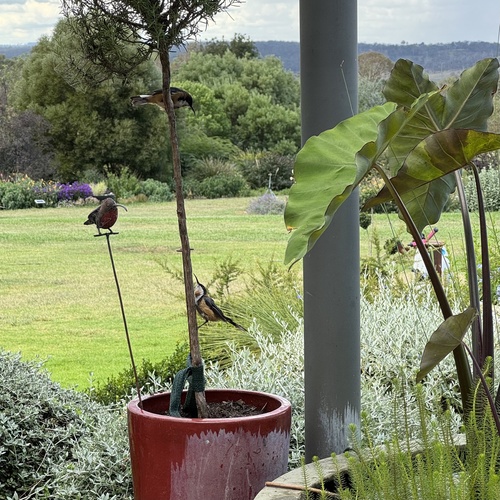
This honeyeater is found in eastern Australia, inhabiting forest, woodland, and urban garden areas. It feeds on nectar from many plants, as well as small insects and other invertebrates.
How To Identify
This medium-sized passerine is recognizable by its striking plumage and, most notably, its exceptionally long, sturdy bill. The coloration typically includes patches of green or reddish tones contrasted with deeper grey or brown feathers.
Habitat
It inhabits eucalypt woodlands, open forests, gardens, and heathlands along the eastern coast of Australia, from tropical Queensland to Victoria.
Behaviour
The Eastern Spinebill is highly territorial and aggressive, vigorously defending flowering patches from other honeyeaters with rapid chasing and diving displays.
Native Range
The eastern spinebill is native to eastern Australia, found from Queensland to Tasmania.
Did You Know?
The Eastern Spinebill is one of Australia's smallest honeyeaters and can hover in mid-air like a hummingbird, using rapid wing beats to access nectar from flowers while suspended.
Create a free account to log your sightings of the Eastern Spinebill, see where it has been recorded near you and build your Wild List.
Privacy · Terms · Impressum · Credits · About the beta