Thrush Nightingale
Luscinia luscinia
Aves › Passeriformes › Muscicapidae › Luscinia
Conservation status: least_concern
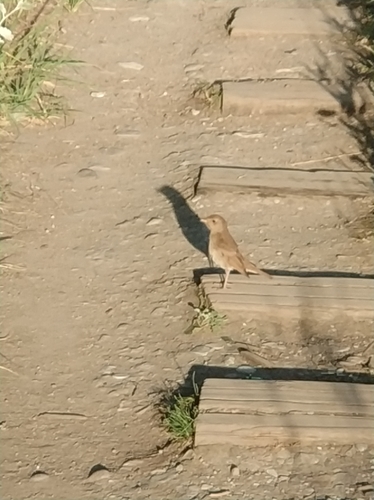
This migratory insectivorous species breeds in forest and scrub across Europe and the Palearctic, and it winters in Sub-Saharan Africa. It is known for its powerful and beautiful song, which has inspired songs, fairy tales, opera, books, and a great deal of poetry.
How To Identify
A relatively small, slender warbler-like bird. Males typically display rich rufous or cinnamon tones accented by darker markings on the head and throat.
Habitat
It inhabits dense thickets, bramble patches, and understory vegetation in woodland edges, wetland margins, and riparian zones across temperate and boreal regions of Europe and western Asia.
Behaviour
This species is a prolific and versatile singer, particularly during breeding season, performing both day and night with impressive vocal complexity and often imitating other bird species within its elaborate song.
Native Range
The distribution is more southerly than the very closely related thrush nightingale (Luscinia luscinia).
Did You Know?
The Thrush Nightingale is an accomplished vocalist with a repertoire of over 200 different song types, capable of producing extraordinarily loud and complex melodies that can be heard up to half a kilometer away. Despite their remarkable voice, they are remarkably secretive birds, skulking in dense vegetation where they are far more often heard than seen.
Create a free account to log your sightings of the Thrush Nightingale, see where it has been recorded near you and build your Wild List.
Privacy · Terms · Impressum · Credits · About the beta